Does Artificial Grass Survive Ontario Winters in Richmond Hill?
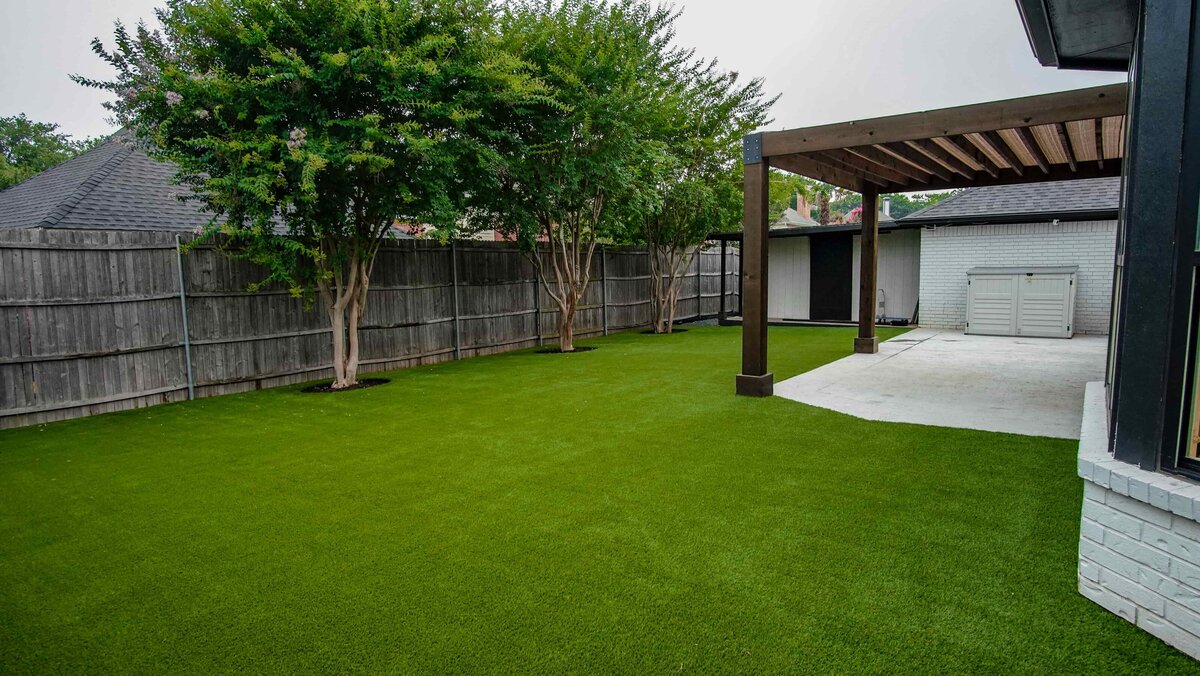
Homeowners across Richmond Hill ask the same thing before they commit: does artificial grass actually survive our winters? The short answer is yes. Artificial grass handles Richmond Hill winters, including snow, hard frost, and repeated freeze-thaw, without dying, going dormant, or turning to mud. As Artificial Turf Richmond Hill installers, we fit synthetic lawns that look the same in February as they do in July, and here is why the cold does not beat them.
Richmond Hill sits higher and colder than downtown Toronto. Much of the town rides the Oak Ridges Moraine, so northern communities like Oak Ridges and the area around Lake Wilcox pick up more snow and sharper overnight lows than yards closer to the 401. Good turf is built for exactly that.
Does snow damage artificial grass?
No, snow does not damage quality artificial grass. Synthetic fibres are made from polyethylene and polypropylene that stay flexible in the cold, so a snow load simply sits on top and melts or drains away through the perforated backing. When the snow clears, the blades spring back up.
You do not need to shovel turf at all. If you want to use the space sooner after a storm, let most of it melt naturally rather than scraping down to the blades. A plastic shovel or a broom is fine for clearing a path; a metal-edged shovel or an aggressive snow blower setting can tear fibres, the same way it would gouge a real lawn.
What does freeze-thaw do to a synthetic lawn?
Freeze-thaw is the real test in York Region, and a properly installed lawn handles it because the answer lives in the base, not the turf. Richmond Hill swings above and below zero dozens of times each winter. Water that sits in the ground freezes, expands, and heaves anything above it, which is how natural lawns and cheap installs end up lumpy by spring.
The defence is drainage. A correct install removes several inches of native soil and replaces it with compacted crushed stone that lets meltwater flow straight down instead of pooling and freezing under the turf. On the clay-heavy soils common in older south Richmond Hill neighbourhoods like Crosby and Harding, that stone base matters even more, because clay holds water and heaves hard. Skip the base and the turf can ripple; build it right and the surface stays flat for years. This is one reason cutting corners on backyard turf preparation costs you later.
Does artificial grass get icy or slippery in winter?
Artificial grass is generally less slippery than a hard surface in winter because the fibres and infill give some grip and the open backing drains meltwater instead of letting it sheet into ice. It can still frost over on a cold morning, just like any outdoor surface, so treat it with normal care when it is below freezing.
If you need to de-ice a path across the lawn, reach for calcium chloride or a plain sand rather than rock salt. Regular rock salt tracked off a Richmond Hill driveway will not usually kill turf, but rinsing salt residue off in spring keeps the infill clean and the drainage clear.
Will winter fade or wear out the turf?
No. Quality turf carries UV stabilizers and cold-rated backing, so Ontario's winter sun and freezing nights do not make it brittle or wash out its colour. A synthetic lawn stays green through the grey months, which is part of the appeal when everything else in the yard is bare.
The bigger threat to lifespan is a bad base or thin, unrated product, not the weather itself. Turf fitted by experienced lawn and putting green crews with a proper stone base and quality materials routinely lasts 15 to 20 years through Richmond Hill winters.
Getting your yard winter ready
There is very little to do. Keep heavy snow piles from sitting in one spot all season if you can, brush the pile area in spring so the fibres stand back up, and keep leaves and debris off before the first freeze so nothing mats down under the snow. That is the whole routine.
Frequently asked questions
Do I need to shovel snow off artificial grass?
No, you do not need to shovel artificial grass. Snow melts and drains through the backing on its own. If you want a path cleared sooner, use a plastic shovel or broom and avoid metal edges that can catch the fibres.
Will freeze-thaw cycles make my turf bumpy?
Only if the base was done poorly. A compacted crushed stone base drains meltwater away so it cannot freeze and heave under the lawn. On Richmond Hill's clay soils a proper base is what keeps the surface flat through winter.
Can I use ice melt on synthetic grass?
Yes, sparingly. Choose calcium chloride or sand instead of rock salt, and rinse any residue in spring to keep the infill and drainage clean. A little salt tracked from the driveway will not harm quality turf.